1200×800×1000 Pallet Box vs. 1000×800×800 Pallet Box: Which Should You Standardize On?
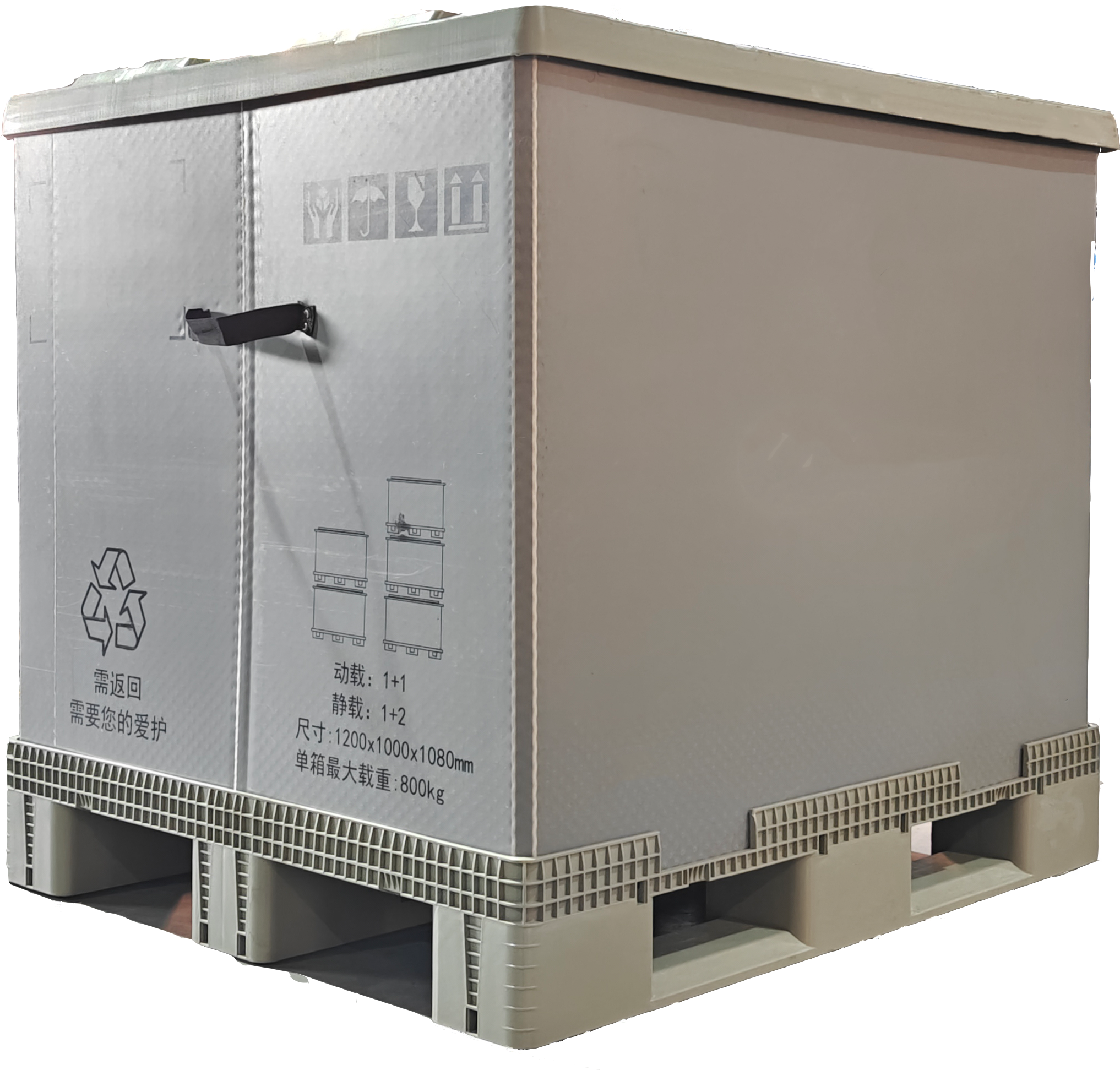
If a warehouse has to run on a single pallet box standard, the choice usually narrows to two enclosed HDPE models: the 1200×800×1000 pallet box and the 1000×800×800 pallet box. The gap looks small — 200 mm of footprint length and 200 mm of height — but it decides how much of every rack bay is actually usable and how safely heavy parts can be stacked. In short: standardize on the 1200×800×1000 when your parts are tall, heavy and pallet-mounted; standardize on the 1000×800×800 when rack clearance, vehicle headroom or a tighter footprint is the binding constraint.
Why This Is a Standardization Decision, Not a Product Choice
A pallet box standard is not a purchase — it is an operating constraint. Once a size enters the racking layout, the WMS location records, the forklift attachments, the operator training and the return logistics loop, changing it costs far more than the boxes themselves.
That is why the useful question is not "which box fits this shipment?" but "which box can carry every high-value part we handle for the next three to five years?"
Both candidates come from the same product family, so the decision is not about build quality. It is about geometry:
- 1200×800×1000 pallet box — 1,200 mm long, 800 mm wide, 1,000 mm tall.
- 1000×800×800 pallet box — 1,000 mm long, 800 mm wide, 800 mm tall.
Two hundred millimetres of length and two hundred millimetres of height separate them. Everything else in this comparison follows from those two numbers.
Industry Background: Why Both Sizes Ended Up on the Same Shortlist
Pallet box footprints are rarely arbitrary. They evolve to follow the material handling system around them — pallet formats, rack beam depths and vehicle internal dimensions. The 1,200 × 800 mm format is a widely used load face in European pallet logistics, while 1,000 × 800 mm is a more compact industrial storage footprint. That is exactly why both sizes appear on the same quotation: they serve different clearance conditions, not different quality tiers.
Supply-side geography matters too. UN Comtrade data records China as the largest exporter of plastic boxes, cases and crates under HS code 392310, with an export value of USD 2.33 billion in 2022. Industrial buyers sourcing in volume therefore tend to look at the Jiangsu/Suzhou manufacturing cluster first.
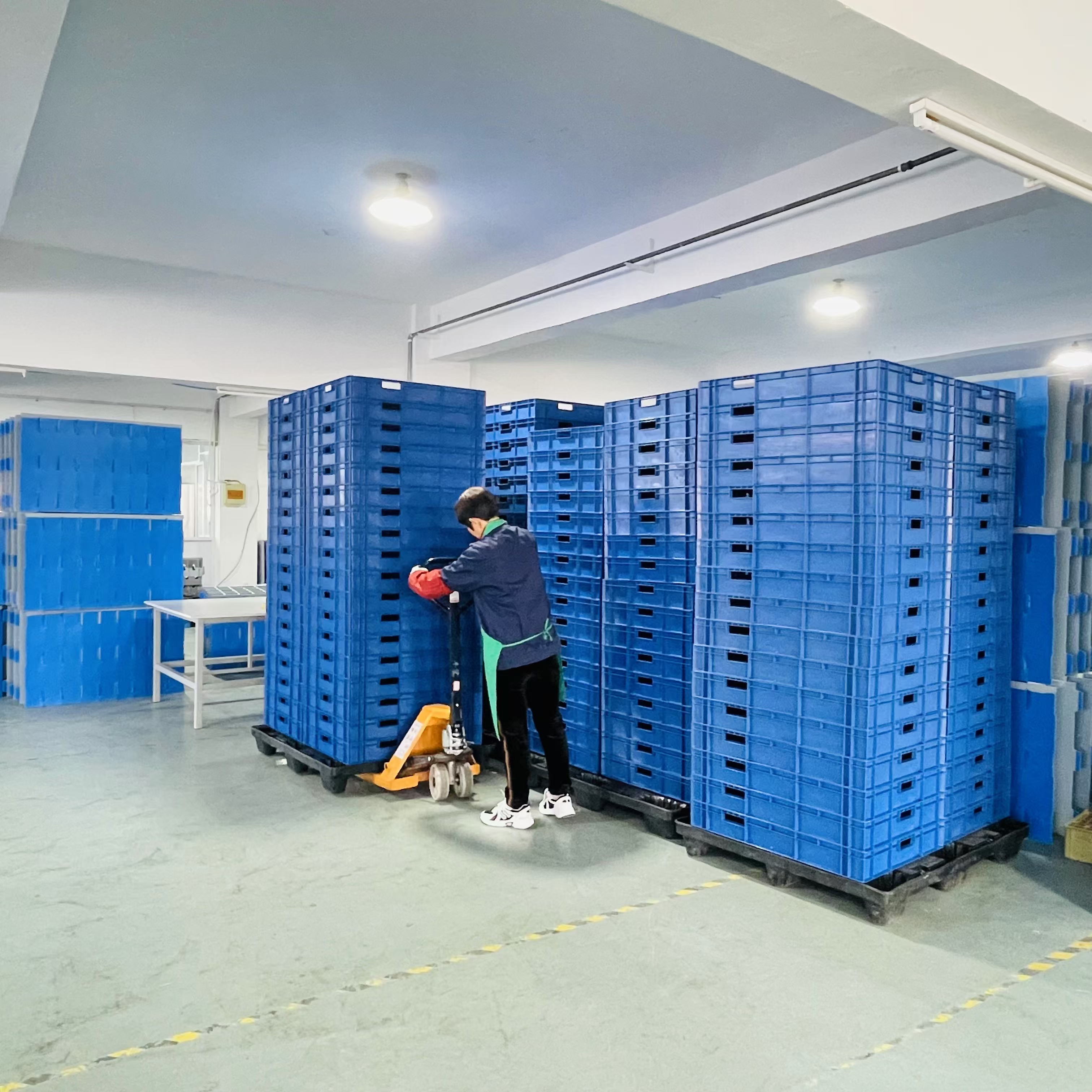
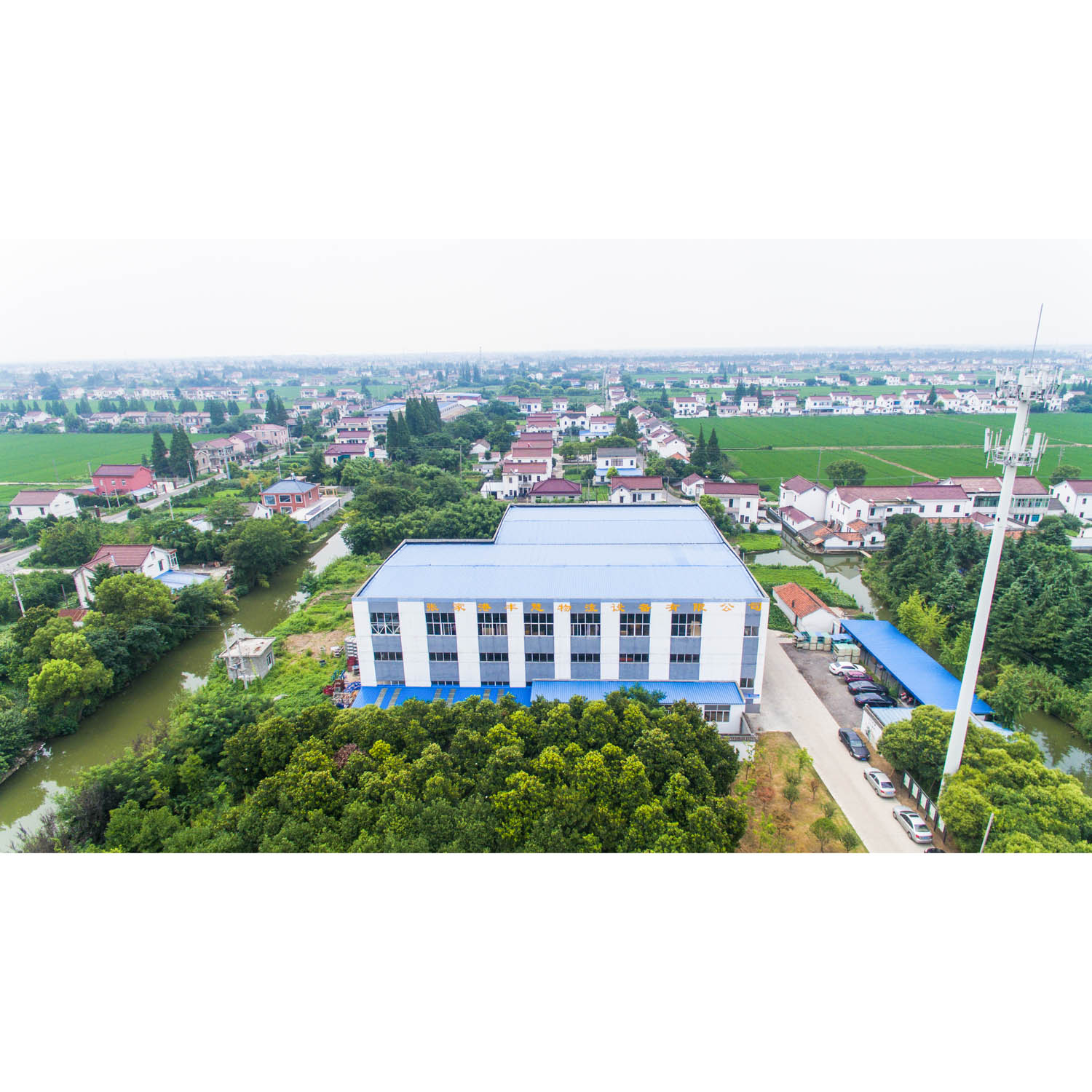
TOYOE — the brand of Zhangjiagang Fenghui Logistics Equipment Co., Ltd., a manufacturer founded in 2010 and based in Zhangjiagang, Suzhou, Jiangsu, China — produces both of the models compared here. The company operates a 4,000 m² factory with 34 employees and 2 in-house engineers, an annual output of 30,000 units, and an export share of roughly 40%, with Mexico and the USA as its main markets. Its product line covers plastic pallet boxes, storage boxes, plastic crates and honeycomb panel boxes.
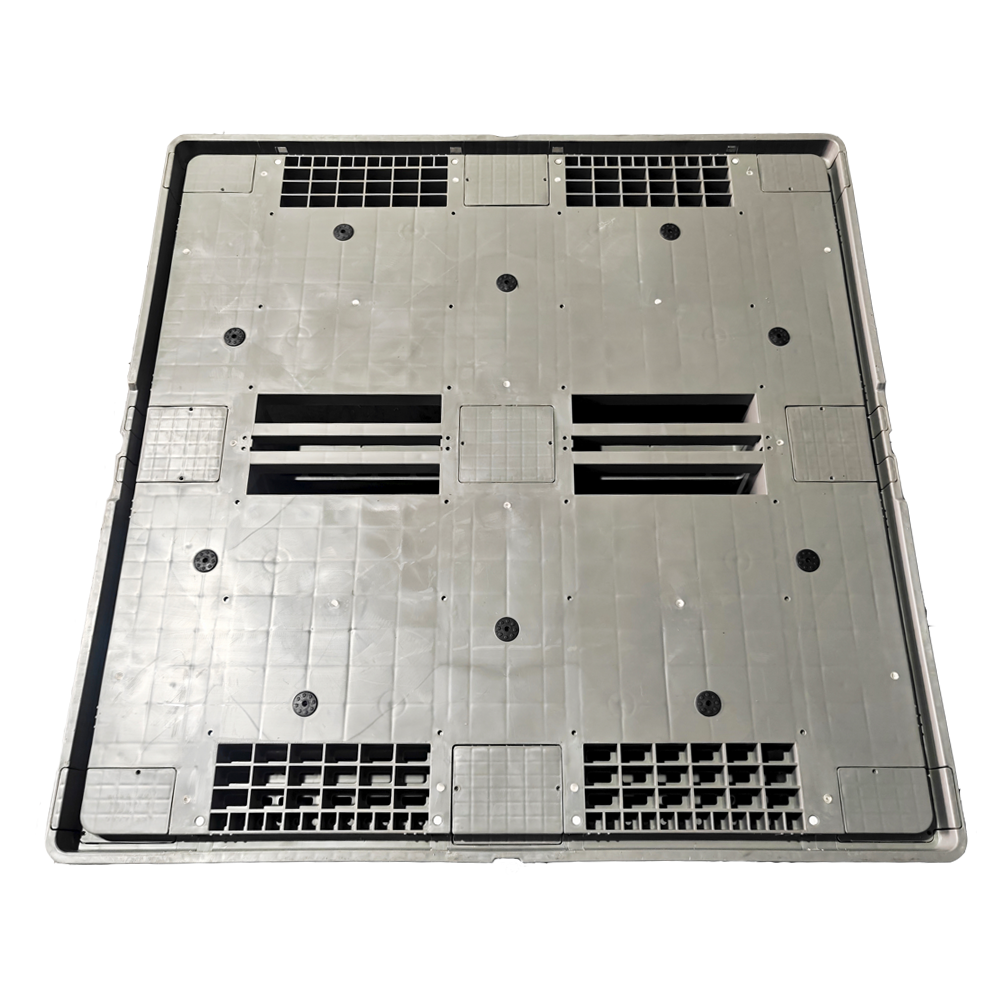
The Real Difference Between the Two Models
What the 1200×800×1000 Variant Brings
The taller, longer model is built around vertical capacity. Its 1,200 × 800 mm footprint aligns with a widely used pallet load face, and its 1,000 mm total height gives every storage position more internal volume. For heavy parts, that extra height is not simply more room — it lets taller single components sit upright without tilting or secondary packaging, which is where collision damage usually starts.
What the 1000×800×800 Variant Brings
The shorter model trades 200 mm of length and 200 mm of height for fit. It slots into lower rack clearances, lower vehicle openings and tighter pick faces, and it keeps the same enclosed configuration, the same nesting behaviour and the same recyclability as its larger sibling. Where headroom — not part size — is the constraint, this is the model that keeps the layout efficient.
What Both Models Share
Because the two sizes come from one engineering platform, the specification baseline is identical:
- Material: HDPE (PP also available)
- Nominal capacity: 100–200 L
- Type: enclosed
- Nestable: yes
- Recyclable: yes
- Custom order accepted: dimension, logo, colour, material
- HS code: 3923100000
- Application scope: oil, industrial alcohol, alkali, acid, industrial wastewater, water and car parts
- Suitable industries: automobile manufacturing, precision electronics, food cold chain, home logistics, medical and health care, heavy industry
Step-by-Step Breakdown: Six Steps to a Defensible Standard
Step 1 — Start From the Pallet, Not the Box
If the operation is anchored on 1,200 × 800 mm pallet load faces, the 1200×800×1000 model sits inside that envelope without overhang. If the facility uses a shorter load face, overhang becomes a safety and stability issue rather than a space issue.
Step 2 — Measure the Tallest Single Part
Take the tallest unfixtured part you store and add handling clearance. A part that approaches 800 mm internally will force the 1,000 mm-tall model; a part that comfortably clears it does not justify the extra height.
Step 3 — Check Every Clearance the Box Will Pass Through
Rack beam openings, vehicle door heights, conveyor tunnels and lift cages all impose a maximum. A 200 mm height difference compounds across a stack, so this check should be done with the full stack height, not a single box.
Step 4 — Quantify the Return Loop
Both models nest, which is what makes empty-container return viable. The question is how many nested units fit in the return vehicle — an advantage that scales with fleet size, not with a single shipment.
Step 5 — Validate With a Physical Sample
A layout decision on paper and a loaded box in a rack are different things. TOYOE accepts sample orders, and its minimum order quantity is 1 unit, so a single box can be run through the actual rack, forklift and loading sequence before any volume commitment is made.
Step 6 — Freeze the Standard and Migrate
Once the size is validated, migrate in waves by production line or storage zone rather than replacing everything at once. This keeps the old and new standards from mixing inside the same stack, which is where instability and mis-scanning typically come from.
Use Cases: Where Each Model Earns Its Place
Where the 1200×800×1000 Model Wins
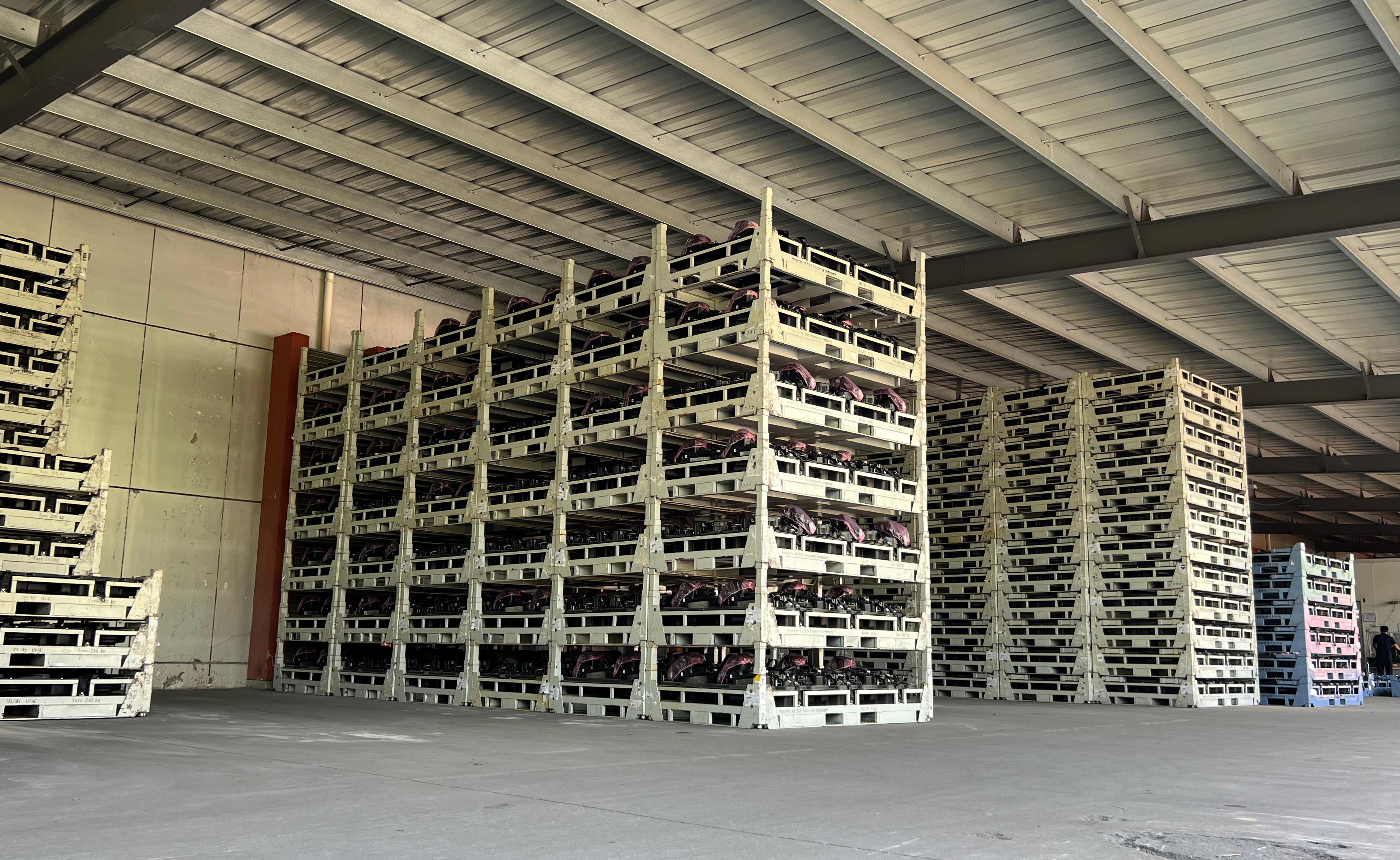
- Automotive powertrain parts. A Mexico-based automobile manufacturer used TOYOE pallet boxes to store car transmission gearboxes — a documented case of 1,000 pieces in service for three years, where the stated result was standardized storage of auto parts, avoided collision damage to gearboxes, and improved warehouse management efficiency. The recorded case highlights were high load-bearing capacity, shock resistance, a stable structure and a fit matched to the gearbox dimensions.
- Heavy, tall single-piece parts that must stay upright to avoid contact damage.
- Pallet-level unit loads where the box must move as one stable, rack-ready unit.
Where the 1000×800×800 Model Wins
- Low-clearance racking. Where the beam height limits the number of usable levels, the shorter box recovers a level.
- Lower-profile components that do not need vertical space and where a smaller footprint reduces wasted air in the load.
- Mixed storage zones where a compact footprint keeps more pick faces reachable.
Comparison Table: Decision Criteria Side by Side
| Decision criterion | 1200×800×1000 Pallet Box | 1000×800×800 Pallet Box |
|---|---|---|
| External footprint | 1,200 × 800 mm | 1,000 × 800 mm |
| Total height | 1,000 mm | 800 mm |
| Material | HDPE (PP also available) | HDPE (PP also available) |
| Nominal capacity | 100–200 L | 100–200 L |
| Type | Enclosed | Enclosed |
| Nestable | Yes | Yes |
| Recyclable | Yes | Yes |
| Custom order | Dimension, logo, colour, material | Dimension, logo, colour, material |
| Pallet load face match | Aligns with a widely used 1,200 × 800 mm load face | Shorter footprint; confirm overhang before committing |
| Best-fit scenario | Tall heavy parts, pallet-level unit loads, vertical capacity | Low rack clearance, lower-profile parts, tighter pick faces |
| Trade-off to accept | Needs more headroom and a longer rack position | Less internal vertical volume per position |
Capability, Capacity and Support Behind the Decision
Whichever size is chosen, the supply-side variables are the same, because TOYOE runs both models through one production system:
- Production mode: OEM / ODM
- Customization: dimension, logo, colour, material
- Monthly capacity: 3,000 pieces
- Annual output: 30,000 units
- Lead time: 7–15 days
- Minimum order quantity: 1 unit
- Quality control: 50% test
- After-sales: guaranteed for 5 years, excluding cases of damage due to human error or excessive storage weight of the product
Frequently Asked Questions
What certifications and codes apply to these two pallet box models?
TOYOE holds ISO 14001:2015 environmental management certification, certificate number M43123E31148R2S, issued 2023-12-14 by Beijing Daluhangxing Quality Certification Center Co., Ltd., covering the sales of logistics metal, plastic and paper packaging products and the rent of palletized unit implants. The company also holds ISO 9001:2015 quality management certification, certificate number 04623Q12947R3S, issued 2023-06-03 by Beijing Head International Certification Co., Ltd. (IAF/CNAS accredited), covering the same scope. Both pallet box models fall under HS code 3923100000. Certification is a supplier-level fact here — it applies to the manufacturer and covers the pallet box range, so it does not change the geometry decision between the two sizes.
Can both sizes be produced in custom dimensions, colours or materials?
Yes. TOYOE operates in OEM/ODM mode with customization available for dimension, logo, colour and material. Monthly capacity is 3,000 pieces and annual output is 30,000 units, so both the 1200×800×1000 and the 1000×800×800 can be supplied as standard configurations or adapted to a project specification. Customization is most useful when a rack bay or an existing pallet interface imposes a dimension that neither standard size matches exactly.
What drives the cost difference between the two models?
Unit cost tracks material consumption, customization level and order quantity. The 1200×800×1000 model uses more HDPE because both its walls and its footprint are larger, and it also occupies a longer rack position, so the cost difference shows up twice — once on the invoice and once in storage density. The 1000×800×800 model uses less material per unit but delivers less internal volume per position. The deciding factor is not the unit price in isolation but the cost per stored part per rack position. Because pricing depends on configuration and volume, it is quoted per project rather than published.
Can I validate the choice with a sample before standardizing?
Yes. TOYOE accepts sample orders and the minimum order quantity is 1 unit, and each unit passes through a 50% test regime. A practical validation runs one box of each size through the actual rack, forklift and loading sequence with the real parts, then compares rack levels used, parts per position and handling time. This is the cheapest point in the project to change the standard, because nothing has been committed to volume yet.
What is the lead time and after-sales coverage?
Standard lead time is 7–15 days, and TOYOE guarantees its pallet boxes for 5 years, excluding cases of damage due to human error or excessive storage weight of the product. For a standardization rollout covering multiple lines or sites, the 3,000-piece monthly capacity and 30,000-unit annual output allow staged delivery instead of a single lump shipment. To move from comparison to decision, download the TOYOE product brochure or send your part dimensions and rack clearances for a size recommendation.
Conclusion: Let the Constraint Pick the Standard
The 1200×800×1000 pallet box and the 1000×800×800 pallet box are not competitors in quality. They are two answers to two different physical constraints. Where the tallest heavy part drives the layout and headroom is available, the taller model earns its extra 200 mm and gives every rack position more usable volume. Where rack clearance, vehicle headroom or a tighter footprint is the real limit, the shorter model keeps the same enclosed HDPE construction while fitting the space you actually have.
The decision rule is short: measure the tallest part, measure the lowest clearance, and let whichever number is tighter select the standard. Then validate it with a single box before it becomes a warehouse-wide commitment.
Next Step: Test Both Sizes in Your Own Racking
Sample orders start at 1 unit, with 7–15 day lead times and 5-year after-sales coverage. Send TOYOE your part dimensions, rack clearances and monthly volume, and we will confirm which of the two models is the better standardization base for your operation.
www.toyoebox.com | Download the TOYOE Pallet Box Brochure (PDF)
Zhangjiagang Fenghui Logistics Equipment Co., Ltd. — No. 5 Donghuan Road, Zhaofeng, Leyu Town, Zhangjiagang, 215600, Suzhou, Jiangsu, China. Email: zjgfh@zjgfenghui.cn
Have Questions or Need More Details?
Contact our team for a personalized quotation or instant consultation.
Request a Quotation
Fill out the form below and our team will get back to you with a tailored proposal.
WhatsApp Direct Chat
Prefer to chat in real-time? Message us on WhatsApp for instant assistance & quick answers.
- Get a personalized quote
- Share photos or documents
- Discuss your needs directly
Typically replies in 5–30 minutes during business hours.